
Our services
Dry Needling
Reviewed by Andrew Macdonald, Senior Physiotherapist , AHPRA registered (PHY0002098797), APA member
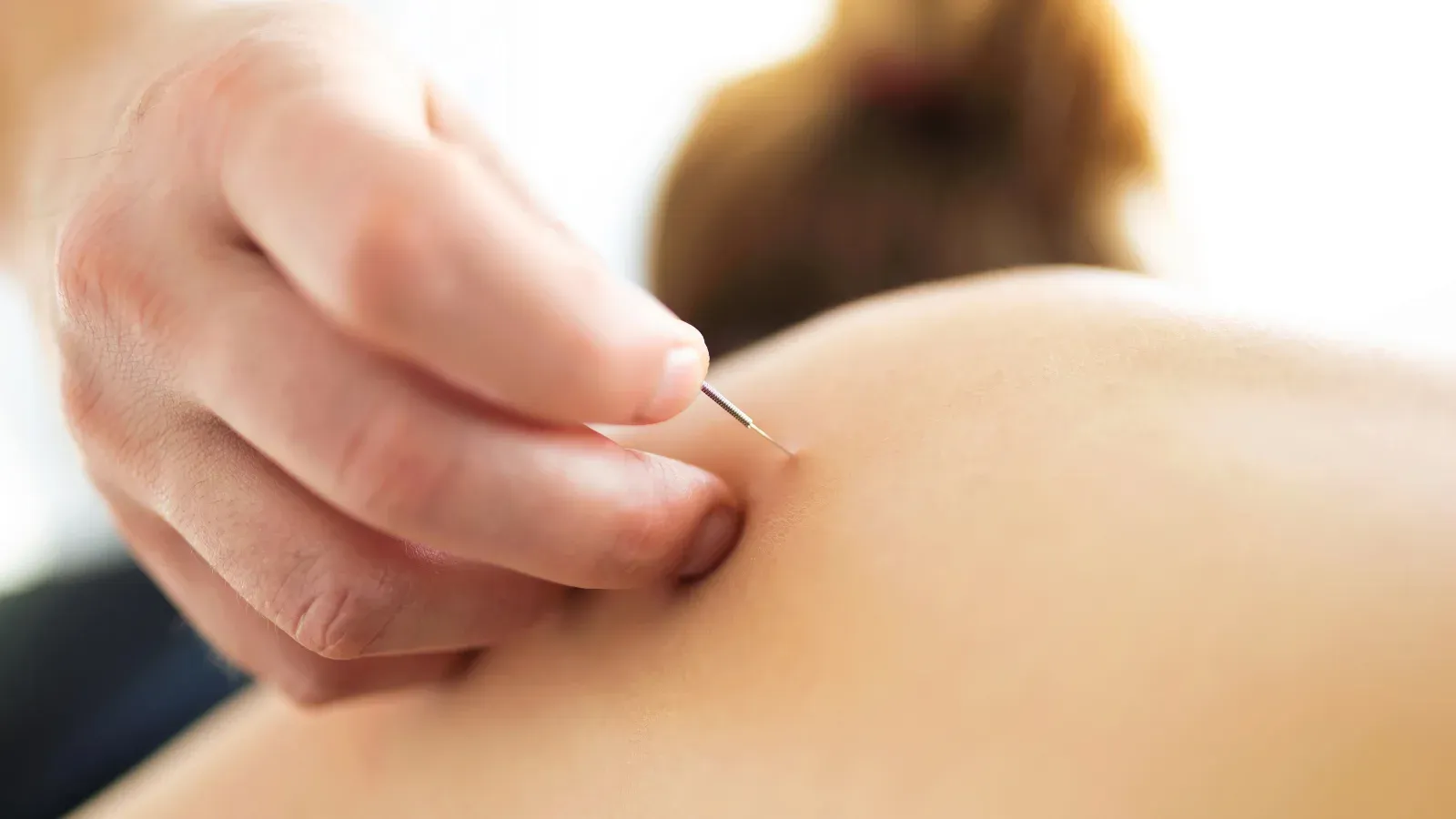
What is Dry Needling?
Dry needling involves inserting thin, sterile, single-use needles into specific trigger points, tight, irritable bands within a muscle that can refer pain, restrict movement and contribute to ongoing dysfunction elsewhere in the body. It’s based on Western anatomical and neurophysiological principles, targeting the specific muscle causing your symptoms, rather than the meridian system used in Traditional Chinese Medicine acupuncture. Andrew uses it as one tool within a broader treatment plan, not as a standalone therapy.
How It Works
A trigger point is a small area of sustained muscle contraction that doesn’t release on its own, often because the local blood supply and nerve signalling in that spot have become disrupted. Inserting a fine needle directly into the trigger point does two things: it mechanically disrupts the contracted muscle fibres, and it triggers a local twitch response, an involuntary spinal reflex that helps reset the muscle’s resting tension. This is typically followed by a measurable increase in local blood flow, which helps clear the build-up of irritants thought to sustain the trigger point and allows the muscle to relax.
Because the needle is solid (not hollow, like an injection needle) and extremely fine, it can reach deep into layers of muscle, the glutes, deep neck flexors, or forearm muscles, for example, that are very difficult to influence with hands-on soft tissue work alone.
What It Helps With
Dry needling is commonly used alongside manual therapy for muscle tightness and trigger points contributing to conditions such as low back pain, neck pain, headaches and migraines, tennis elbow and golfer’s elbow, and general sports injuries where a specific muscle has become chronically tight or is referring pain into another area. It’s particularly useful when a muscle has developed a pattern of tightening back up shortly after manual therapy, needling can settle it more thoroughly, giving the accompanying stretching and strengthening programme a better chance to hold.
It’s rarely used in isolation. Andrew typically combines it with manual therapy to address joint restriction alongside the muscle, and an exercise rehabilitation programme so the muscle doesn’t simply return to its old pattern once the immediate tightness is released.
Dry Needling vs Acupuncture
The two techniques look similar, both use thin, solid needles, but the reasoning behind them is different. Traditional acupuncture is rooted in Traditional Chinese Medicine and is based on restoring the flow of “qi” along meridian lines that don’t correspond directly to Western anatomy. Dry needling is a physiotherapy technique grounded in musculoskeletal anatomy and neurophysiology: the needle is placed directly into the specific muscle and trigger point causing your symptoms, based on a physical assessment of your movement and palpation of the muscle itself, not a meridian chart.
What to Expect During a Session
Andrew will first assess the area to confirm which muscle and trigger point are contributing to your symptoms, then explain where he plans to needle and why. The needle insertion itself is usually a brief, minor pinprick, most people feel it far less than they expect. As the needle reaches the trigger point, you’ll often feel a quick, involuntary muscle twitch or a deep cramping sensation for a second or two; this local twitch response is generally a sign that the technique is having the intended effect, not a cause for concern. The needle is typically left in place briefly, sometimes with gentle manipulation, before being removed.
Aftercare
Mild soreness for a day or so afterward, similar to how a muscle feels after a solid workout, is a common and expected response, and usually settles on its own within 24 to 48 hours. Gentle movement, staying hydrated, and avoiding intense strain on the treated muscle on the day of treatment all help. Andrew will let you know if your particular treatment area needs any specific aftercare, such as light stretching or heat.
Is Dry Needling Right for You?
Dry needling isn’t suitable for everyone, and Andrew will screen for this before treating you. It’s generally avoided or used with extra caution in people with a significant needle phobia, active skin infection or broken skin at the intended treatment site, a bleeding disorder or use of blood-thinning medication, or in certain areas during pregnancy. If any of this applies to you, let Andrew know at your assessment. There are usually still effective alternatives, such as manual therapy alone, that can achieve a similar result.
Who it helps
Conditions treated with dry needling
 SciaticaSciatica is a pattern of symptoms, not one diagnosis. What causes the pain down your leg, why being seen early matters, and how physiotherapy treats it.
 Low Back PainUp to 80% of Australians get low back pain. What actually causes it, when leg pain or numbness means being seen sooner, and how physiotherapy treats it.
 Neck PainNeck pain is one of the most common conditions physiotherapists treat, often from posture and desk work. Treatment combines manual therapy and exercise.
 Headaches & MigrainesTension, cervicogenic and migraine headaches have different causes and different treatments. How to tell them apart, and when the neck is the real driver.
 Chronic Fatigue & FibromyalgiaFibromyalgia and chronic fatigue syndrome cause widespread pain and exhaustion. Physiotherapy helps manage symptoms with a carefully paced programme.
 TMJ Dysfunction PhysiotherapyPhysiotherapy for TMJ dysfunction and TMJ disorder at our Melbourne clinic, jaw pain, clicking and headaches treated with manual therapy and dry needling.
 Frozen ShoulderFrozen shoulder causes progressive stiffness and pain that can take months to resolve. Physiotherapy eases pain and speeds recovery at every stage.
 Rotator Cuff InjuryRotator cuff injuries range from mild tendinopathy to a full tear, causing shoulder pain and weakness. Assessment determines the right treatment path.
 Tennis Elbow & Golfer's ElbowTennis elbow and golfer's elbow are overuse tendon injuries causing elbow pain. Physiotherapy addresses both pain and its underlying cause.
 Plantar FasciitisPlantar fasciitis causes sharp heel pain, often worst with first steps in the morning. Treatment combines hands-on therapy, taping and exercises.
Frequently asked questions
Is dry needling the same as acupuncture?
No. Dry needling is a Western medical technique that targets specific muscle trigger points based on anatomy, while traditional acupuncture is based on Traditional Chinese Medicine's meridian system. Both use thin needles, but the reasoning and technique behind where they're placed is different.
Does dry needling hurt?
You'll typically feel a small pinprick on insertion, and often a brief muscle twitch as the trigger point releases, which can feel like a quick cramp. It's generally well tolerated, and mild soreness afterward, similar to post-exercise muscle soreness, is normal and usually settles within a day or two.
What conditions is dry needling used for?
Andrew commonly uses dry needling for muscle tightness and trigger points contributing to back and neck pain, headaches, shoulder and elbow conditions like tennis elbow, and sports injuries, usually alongside manual therapy and an exercise programme.
How many dry needling sessions do I need?
Some people feel a noticeable release after a single session, but for a lasting result it's usually combined with other treatment over a course of sessions. Andrew will factor this into your overall treatment plan based on your specific condition.
Ready to book your appointment?
Got a question first? Ask Andrew, it's free →