
Braces & supports
Braces and supports, fitted to the injury
An ankle brace, a walker boot, a sacroiliac belt or a shoe raise does real work while an injury heals, provided it is the right one, in the right size, worn for the right length of time. All three of those come out of an assessment.
Reviewed by Andrew Macdonald, Senior Physiotherapist , AHPRA registered, APA member
What's involved
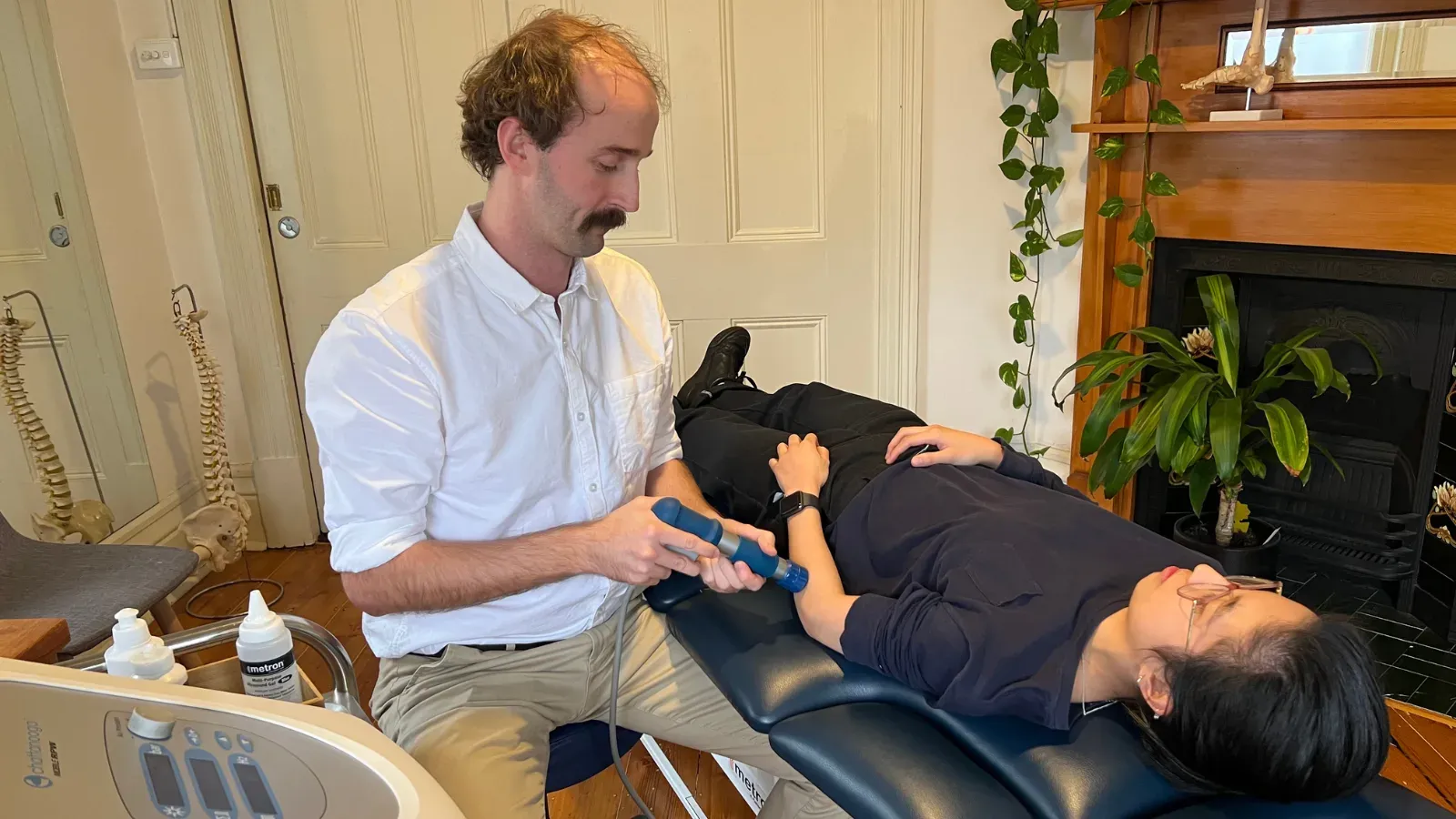
A fitting, step by step
01
Work out what the injury needs
Support, offloading and immobilisation are three different jobs. Andrew assesses the injury first and works out which of them you actually need, and for how long.
02
Match the product to it
A rigid ankle brace, a walker boot, a sacroiliac belt and a shoe raise solve different problems. Andrew picks from what the clinic stocks and explains why that one.
03
Size it and fit it on you
Measured against the manufacturer's sizing, strapped, adjusted and checked while you stand and walk in it, so it is doing its job before you leave the room.
04
Plan the way out of it
A brace is a stage, not a destination. You will leave knowing how long to wear it, what to do in it, and what has to get stronger before you come out of it.
What's stocked
Ankle, foot & lower leg
Protection and offloading for a fracture, a sprain, a tendon repair or a leg-length difference, sized and fitted to the injury rather than to a chart.
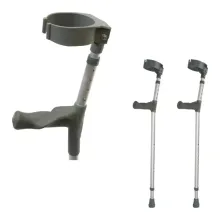
Forearm Crutches with Ergonomic Grip
$75.00
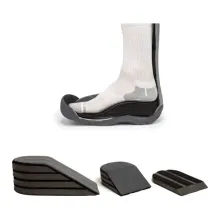
Achilles Wedge for CAM Moon Boot Walker
$59.95
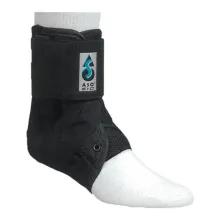
ASO EVO Ankle Support Brace
$95.95
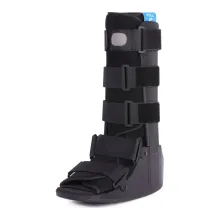
CAM Moon Boot Walker (Tall)
$115.00
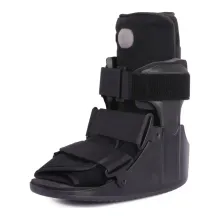
CAM Moon Boot Walker (Short)
$115.00
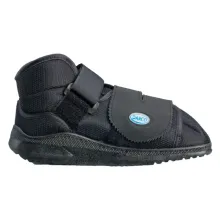
Darco All Purpose Boot
$89.95
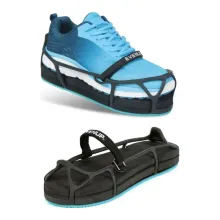
Shoe Lift Balancer
$79.95
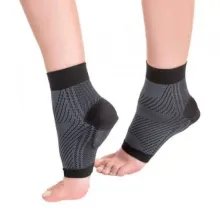
OAPL Plantar Fasciitis Support Sock
$43.50
What's stocked
Back & pelvis
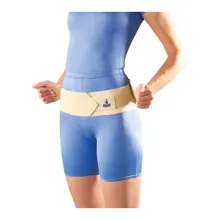
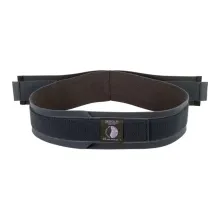
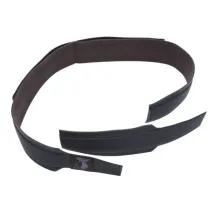
Sacroiliac and pelvic belts that compress the joint to settle it down, most often used through pregnancy, after a pelvic injury, or alongside treatment for sacroiliac pain.
Walker boots have their own page
CAM moon boot walkers come up often enough, and involve enough decisions of their own, tall or short, how long to wear it, driving, sleeping, showering, that they are covered separately on the moon boot fitting page.
A brace is one part of the treatment
Bracing protects a healing structure and takes load off it. What rebuilds the strength and control underneath is theexercise rehabilitation programme that runs alongside it, supported by hands-onmanual therapy where the joint or the soft tissue around it needs it. That combination is what makes coming out of the brace a plan rather than a hope.
Common reasons for a brace
Injuries Andrew commonly braces
Ankle Sprains
Ankle sprains are one of the most common sporting injuries. Physiotherapy restores strength and balance to stop them recurring.
Achilles Tendonitis
Achilles tendonitis causes heel pain and stiffness in runners and active people. Physiotherapy uses evidence-based loading protocols to treat it.
Plantar Fasciitis
Plantar fasciitis causes sharp heel pain, often worst with first steps in the morning. Treatment combines hands-on therapy, taping and exercises.
Low Back Pain
Up to 80% of Australians get low back pain. What actually causes it, when leg pain or numbness means being seen sooner, and how physiotherapy treats it.
Sciatica
Sciatica is a pattern of symptoms, not one diagnosis. What causes the pain down your leg, why being seen early matters, and how physiotherapy treats it.
Pre & Post-Op Recovery
Physiotherapy before and after orthopaedic surgery, knee and hip replacements, ACL reconstruction and shoulder surgery, preparing well and rebuilding strength safely.
Braces & supports FAQs
Can I just buy a brace without an appointment?
Yes, everything here can be bought directly from the shop. The reason to come in is that size, tension and the choice between two similar-looking products all change how well a brace does its job, and a brace that is the wrong size or worn too long can leave you weaker than it found you.
What is the difference between a support and a brace?
Roughly, how much movement it takes away. A support compresses and gives feedback while letting the joint move more or less normally; a brace restricts a specific direction of movement; a walker boot immobilises. Which one suits you depends on the injury and on what stage of healing you are at, and it often changes as you improve.
Will wearing a brace make me weaker?
It can, if it is worn longer than the injury needs, which is exactly why a fitting comes with a timeframe and a plan to come out of it. Bracing works best alongside an exercise programme that rebuilds the strength and control the brace is temporarily standing in for.
Do you fit custom orthotics?
No, the products here are off-the-shelf items fitted and sized in a consultation. That covers most bracing and support needs. If your assessment points to something custom-made, Andrew will tell you that and refer you on.
Can I claim a brace on private health insurance?
The product itself is a retail item, and cover for equipment varies a lot by fund and policy, so it is worth asking your insurer. The consultation the fitting happens in is a physiotherapy appointment like any other, with on-the-spot HICAPS claiming if you have extras cover for physiotherapy.
Do you have my size in stock?
Common sizes are kept in the clinic and can usually be fitted on the spot. Each product page shows its current stock status, and a quick call before you come in will confirm your size.
I am pregnant and my pelvis is painful. Is a belt suitable?
A sacroiliac belt is one of the common options for pelvic girdle pain in pregnancy, and it is most useful combined with hands-on treatment and specific exercises rather than on its own. Book an assessment and Andrew will work out whether a belt is the right part of the answer for you and fit it if it is.
Book a fitting