
Conditions treated here
Low Back Pain
Reviewed by Andrew Macdonald, Senior Physiotherapist , AHPRA registered (PHY0002098797), APA member
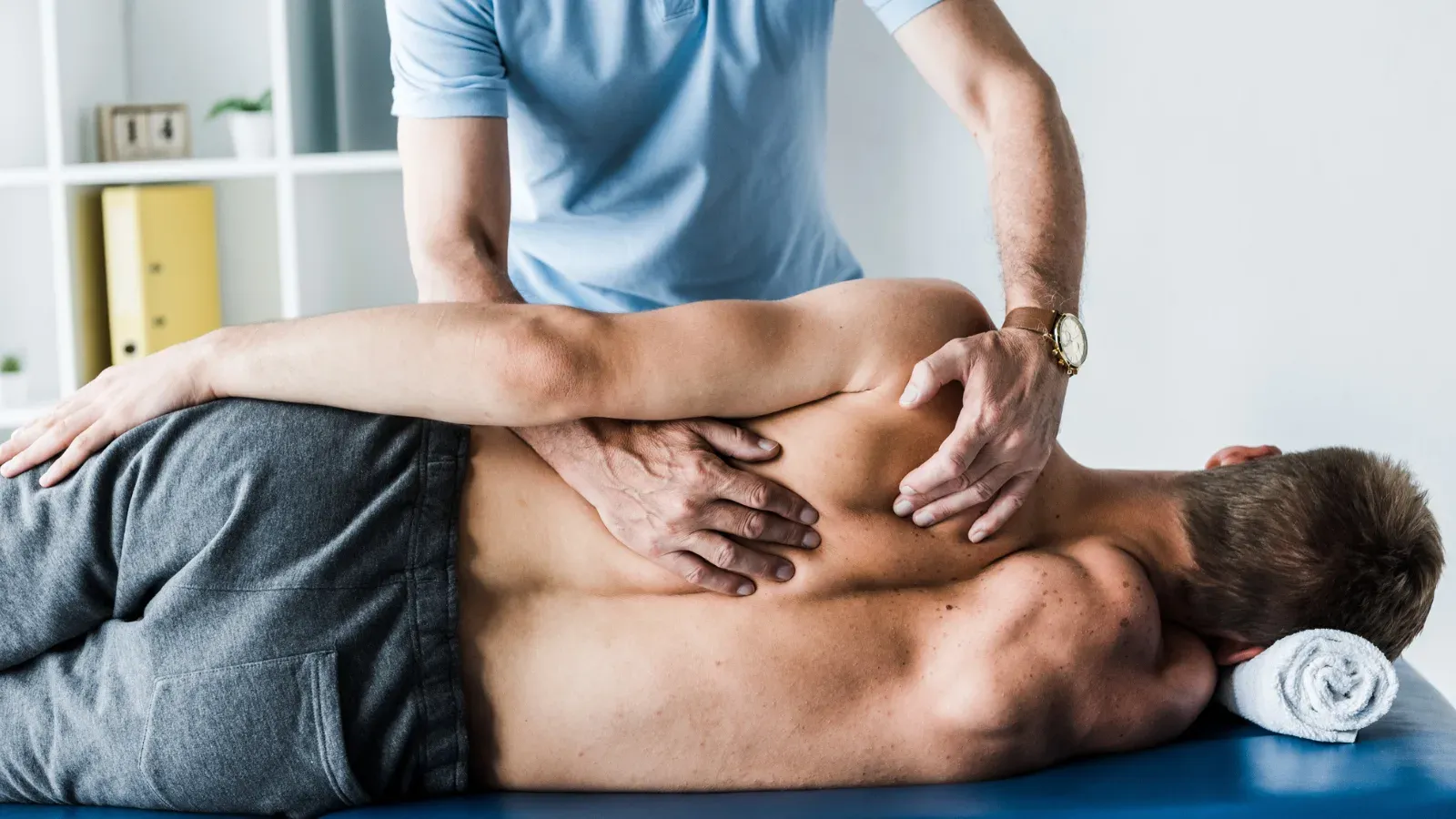
Low back pain is extremely common, with up to 80% of Australians experiencing it at some point in their life. It’s not surprising when you consider how much work the lower back does, supporting the weight of the upper body and head, and bearing the load through almost every twisting, bending and lifting movement you make in a day.
Back pain is often linked to a sedentary lifestyle, commuting to work, then sitting at a desk for hours, but it’s just as often caused by the opposite problem: physically demanding work involving frequent bending, twisting and heavy lifting. Both extremes place unusual, sustained stress on the same structures.
What causes low back pain
Backache typically arises from restrictions within the lower spine’s joints, which can irritate the nerve supply to the surrounding muscles, or from straining the muscles and ligaments that support the spine directly. Pain can also come from the discs, the shock-absorbing cushions sitting between each vertebra, which can bulge or become irritated under repeated load, particularly with prolonged sitting or poor lifting technique.
Less commonly, low back pain relates to conditions like sciatica, where a disc or joint irritates a nerve root and refers pain down the leg, or to degenerative changes such as osteoarthritis affecting the spinal joints. A thorough assessment helps identify which of these is actually driving your particular pain, since the right treatment differs depending on the cause.
When to see a physiotherapist
Most low back pain settles well with conservative physiotherapy and doesn’t require imaging or surgery. However, you should see Andrew promptly, rather than waiting to “see if it settles”, if you notice pain radiating down one leg, numbness or pins and needles, weakness in the leg or foot, or a foot that catches or drags when you walk. These can indicate nerve involvement that benefits from an earlier, more targeted assessment. Sudden, severe pain following a fall or accident, or back pain accompanied by unexplained weight loss, fever, or loss of bladder or bowel control, warrants urgent medical attention rather than a routine physiotherapy appointment.
Physiotherapy treatment for low back pain
Once serious causes have been ruled out, most back pain responds well to a conservative, active approach. A common misconception is that rest is the safest response, in practice, prolonged bed rest tends to make back pain worse, not better, by allowing core strength and spinal mobility to decline further. Andrew’s approach focuses on getting you moving safely and progressively as early as your pain allows, alongside hands-on treatment to address the immediate restriction.
Treatment typically draws on a combination of techniques, matched to what your assessment reveals:
- Manual therapy to restore movement in restricted spinal joints and ease surrounding muscle tension
- Dry needling for tight, guarding muscles around the lower back that are slow to release with manual work alone
- Core and lumbar rehabilitation, a structured, progressive exercise programme targeting the deep stabilising muscles of the trunk, which play a major role in how well your back tolerates day-to-day load
- Soft tissue techniques to reduce muscle guarding and improve comfort in the early, more acute stage
What to expect from treatment
Andrew will take the time to explain what your assessment found and why he’s recommending a particular combination of treatment, not just apply a generic routine. Most people notice a meaningful reduction in pain and improvement in movement within the first few sessions, though the underlying strength and movement patterns that make you less likely to re-injure your back take longer to build and are usually the main focus once the acute pain has settled.
Preventing recurrence
Because low back pain has a high recurrence rate once it’s happened once, the home exercise programme Andrew builds with you matters as much as the in-clinic treatment. It’s specifically aimed at the core strength and movement habits that reduce how often, and how severely, back pain comes back.
How the physiotherapist treats it
Treatments used for low back pain
 Manual TherapyManual therapy uses hands-on techniques, soft tissue work, joint mobilisation and trigger point therapy, to ease pain and speed recovery.
 Dry NeedlingDry needling uses thin, sterile needles to release tight, overactive trigger points in muscle, a Western technique distinct from acupuncture.
 Exercise RehabilitationA structured, progressive exercise programme tailored to your condition and recovery stage, to rebuild strength and prevent injuries recurring.
Frequently asked questions
How long should lower back pain take to heal?
Most episodes of low back pain improve significantly within a few weeks with appropriate treatment and activity. Around 80% of Australians experience low back pain at some point, and while it can feel alarming, the large majority of cases respond well to conservative physiotherapy rather than needing imaging or surgery.
Is bed rest good for lower back pain?
No, prolonged rest usually makes back pain worse, not better. Staying as active as your pain allows helps maintain core strength and reduces the stiffness that comes from sitting or lying down for long periods, which is why Andrew focuses on getting you moving safely as early as possible.
When should I be worried about lower back pain?
See Andrew promptly if back pain is accompanied by pain radiating down the leg, numbness, weakness, or a foot that drags, these can indicate nerve involvement that needs a proper assessment. Sudden severe pain following a fall or accident, or pain with unexplained weight loss or fever, also warrants urgent attention.
Does physiotherapy actually help with lower back pain?
Yes, physiotherapy is considered a first-line, evidence-based treatment for most low back pain. Andrew's approach combines manual therapy, dry needling and core rehabilitation with a home exercise programme, addressing both the immediate pain and the underlying movement patterns that tend to bring it back.
Ready to book your appointment?
Got a question first? Ask Andrew, it's free →