
Conditions treated here
Rotator Cuff Injury
Reviewed by Andrew Macdonald, Senior Physiotherapist , AHPRA registered (PHY0002098797), APA member
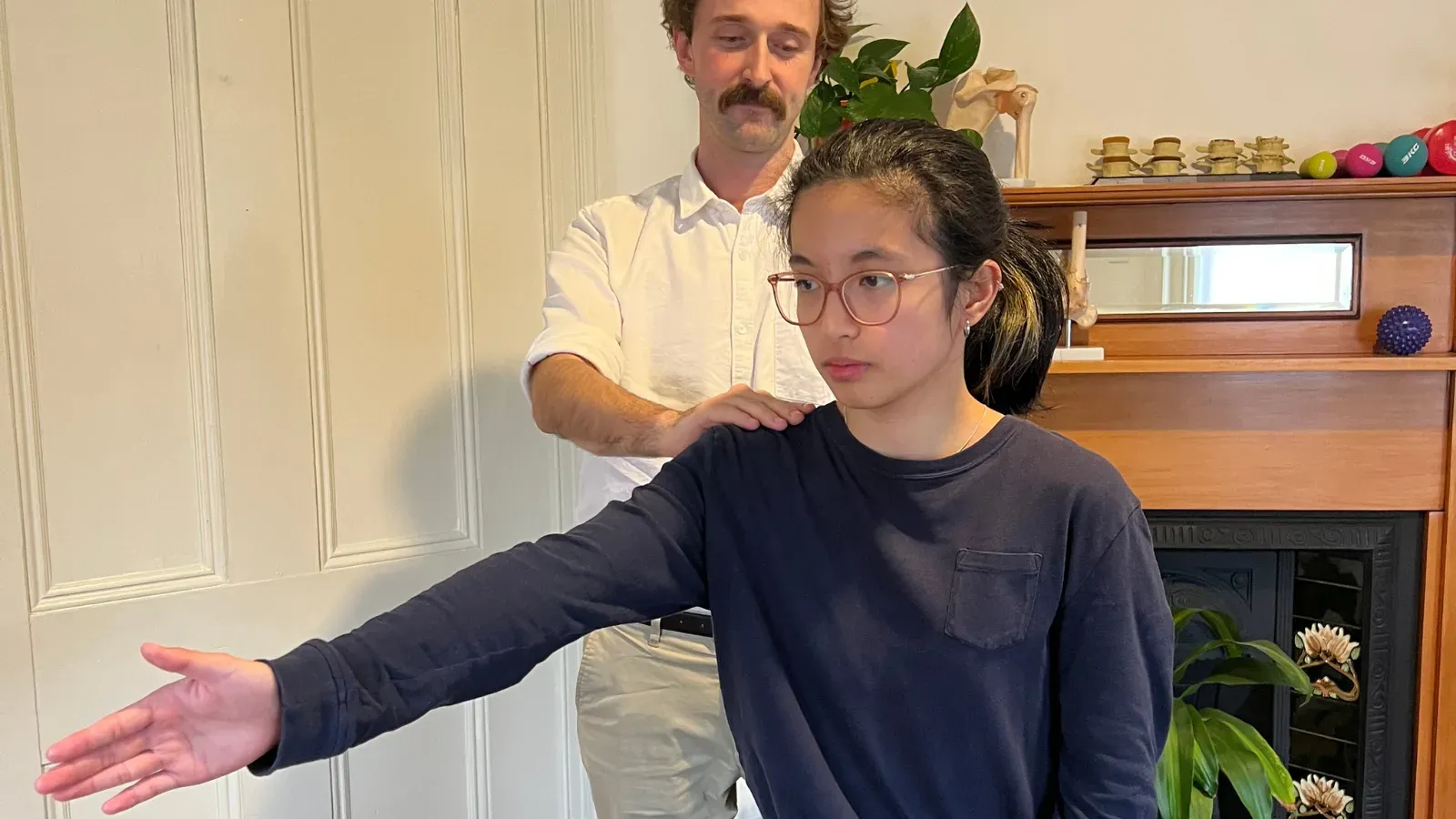
The rotator cuff is a group of four muscles and tendons that wrap around the shoulder joint, holding the head of the arm bone firmly in its socket while allowing the wide range of movement the shoulder is capable of. Because the shoulder relies on this soft tissue group for stability rather than a deep bony socket like the hip, the rotator cuff takes on a heavy workload, and injuries to it are one of the most common causes of shoulder pain, affecting people from tradespeople and overhead athletes through to those simply reaching into a high cupboard.
Rotator cuff injuries exist on a spectrum, from mild irritation and inflammation of the tendon (tendinopathy) through to partial tears, and at the more severe end, full-thickness tears where the tendon is completely detached from the bone. Where your injury sits on that spectrum matters, because it shapes both the treatment approach and the likely timeframe for recovery.
What causes a rotator cuff injury
Rotator cuff injuries generally arise in one of two ways. The first is a single traumatic event, a fall onto an outstretched arm, a sudden heavy lift, or a forceful wrenching movement, which can cause an acute tear. The second, more common pathway is gradual overload: repetitive overhead activity, whether from sport, manual work, or simply an activity done more than usual, wears down the tendon’s capacity over time until it becomes irritated, inflamed, or eventually frays. Age-related changes in tendon quality also make the rotator cuff more vulnerable to injury as we get older, which is why cuff problems become more common from the 40s onward even without an obvious single cause.
Symptoms
Common signs of a rotator cuff injury include pain when lifting the arm overhead or reaching behind the back, weakness with specific movements, particularly lifting or rotating the arm away from the body, and a dull ache deep in the shoulder that can be hard to pinpoint. Pain that disturbs sleep, especially when lying on the affected side, is also a common and often frustrating feature. Some people also notice a catching or clicking sensation, or a sense that the shoulder feels unstable or “gives way” during certain movements.
When to see a physiotherapist
Most rotator cuff injuries are well suited to an initial physiotherapy assessment rather than jumping straight to imaging or a specialist opinion, since Andrew’s clinical examination can identify which structures are involved and how significant the injury is likely to be. See Andrew promptly if shoulder pain follows a specific injury or fall, if you notice a sudden significant loss of strength or an inability to lift the arm at all, or if pain and weakness are persisting or worsening despite rest. A sudden, complete loss of shoulder function after a traumatic injury warrants more urgent assessment, since it can indicate a large or complete tear that may need earlier specialist input.
It’s also worth noting that rotator cuff problems can sometimes be confused with other shoulder conditions that need a different treatment emphasis, frozen shoulder, for example, causes a more global loss of movement in all directions rather than pain concentrated with specific movements like overhead lifting. Andrew’s assessment distinguishes between these presentations so treatment is targeted at the actual problem from the outset.
Physiotherapy treatment for rotator cuff injuries
Once your assessment has identified which structures are involved and how severe the injury is, treatment typically draws on a combination of the following:
- Manual therapy to ease surrounding muscle tension, improve shoulder joint mobility and reduce compensatory stiffness that builds up around a painful shoulder
- Dry needling for tight, overactive muscles around the shoulder blade and upper arm that commonly develop as the body compensates for cuff weakness
- Shockwave therapy, particularly useful for chronic tendinopathy that hasn’t responded to rest and gentle exercise alone
- Graded strengthening exercise, a progressive programme rebuilding the rotator cuff’s capacity to stabilise the shoulder, along with the surrounding shoulder blade muscles that support it, which is usually the single most important factor in a lasting recovery
What to expect from treatment
Andrew builds a staged plan with clear milestones, since progress with rotator cuff injuries is better tracked against objective markers of strength and movement than against how the shoulder happens to feel on a given day. Early treatment generally focuses on settling pain and protecting the tendon from further irritation, before shifting toward the strengthening work that restores full function. Recovery timeframes vary considerably, some milder tendinopathies settle within several weeks, while more significant tears can take a few months of staged rehabilitation.
When surgery is the right path
Most rotator cuff injuries, including many partial tears, respond well to conservative physiotherapy without needing surgery. If imaging shows a significant full-thickness tear, or if symptoms aren’t improving despite an appropriately progressed conservative programme, Andrew will discuss whether a specialist referral is appropriate. Should surgery go ahead, physiotherapy remains central afterward too. See post-operative recovery for how staged rehabilitation supports recovery following shoulder surgery.
How the physiotherapist treats it
Treatments used for rotator cuff injury
 Manual TherapyManual therapy uses hands-on techniques, soft tissue work, joint mobilisation and trigger point therapy, to ease pain and speed recovery.
 Dry NeedlingDry needling uses thin, sterile needles to release tight, overactive trigger points in muscle, a Western technique distinct from acupuncture.
 Shockwave TherapyShockwave therapy uses focused acoustic pulses to stimulate healing in chronic tendon conditions like Achilles tendinopathy and tennis elbow.
Frequently asked questions
How do you know if you've torn your rotator cuff?
Common signs include pain when lifting your arm overhead or reaching behind your back, weakness with certain movements, a deep ache in the shoulder, and pain that disturbs sleep, particularly lying on the affected side. A physiotherapy assessment can determine which structures are involved and how severe the injury is.
Does a rotator cuff tear need surgery?
Not always, most rotator cuff injuries, including many partial tears, respond well to conservative physiotherapy. Surgery tends to be considered for significant full-thickness tears or when symptoms aren't improving with appropriate conservative treatment, and that decision is best made with a proper assessment first.
Can physiotherapy fix a rotator cuff tear?
For many rotator cuff injuries, yes, physiotherapy combining manual therapy, dry needling and a graded strengthening programme can restore the shoulder's stability and function without surgery. Shockwave therapy is also useful for chronic tendinopathy that hasn't responded to rest alone.
How long does it take to recover from a rotator cuff injury?
Recovery timeframes vary widely depending on the severity of the injury and whether surgery is involved, ranging from several weeks for milder tendinopathy to months for a significant tear. Andrew builds a staged plan with clear milestones so progress is tracked properly rather than guessed at.
Can I keep exercising or working with a rotator cuff injury?
Often yes, with some modification, avoiding movements that clearly aggravate it while staying otherwise active usually works better than complete rest. Andrew's assessment will identify which specific movements to modify and for how long, based on the severity of your injury.
Ready to book your appointment?
Got a question first? Ask Andrew, it's free →