
Resources
What is Physiotherapy?
Reviewed by Andrew Macdonald, Senior Physiotherapist , AHPRA registered (PHY0002098797), APA member
Last updated
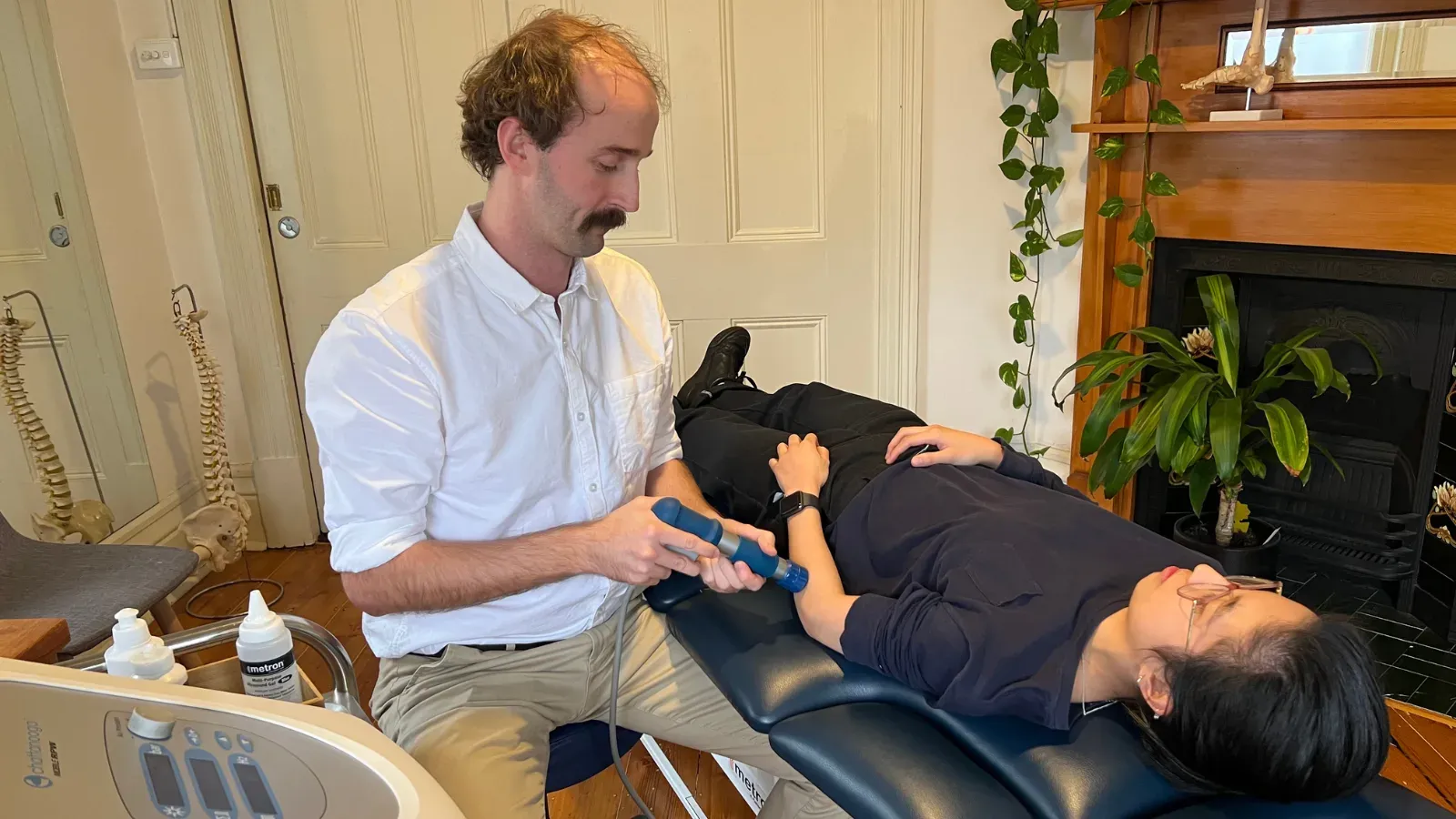
Physiotherapy is a healthcare profession that diagnoses, treats and prevents problems with how your body moves, from acute sports injuries and post-surgical recovery to chronic pain and age-related joint conditions. Physiotherapists (also called physical therapists) use a combination of hands-on manual therapy, targeted exercise rehabilitation and evidence-based techniques such as dry needling, cupping and shockwave therapy to relieve pain and restore function, without relying on medication or surgery as a first resort.
What Does a Physiotherapist Do
A physiotherapist’s job starts with an accurate diagnosis. Rather than just treating where it hurts, Andrew assesses your posture, movement patterns, joint mobility and strength to identify the actual source of the problem, which is often not the same as the spot where you feel the pain. From there, he builds a treatment plan specific to you, tracks your progress, and adjusts the approach as you improve.
While physiotherapists share a common core skill set, many develop particular areas of interest and expertise. As a patient, it’s worth asking about your physiotherapist’s experience with your specific condition before starting treatment. Physiotherapy also works best as a partnership, your involvement and feedback throughout treatment is essential to getting the best result, rather than being a passive recipient of “hands-on” work alone.
What Conditions Does Physiotherapy Treat
Musculoskeletal (orthopaedic) physiotherapy, restoring function to muscles, joints and bones, is the core of Andrew’s practice. It covers:
- Sports injuries, from weekend warriors to elite athletes
- Workplace injuries
- Back, neck and shoulder pain
- Sciatica and nerve-related pain
- Sprains and strains
- Postural issues and headaches
- Post-operative recovery
- Arthritis and age-related joint conditions
See the full list of conditions treated here for specifics.
What Happens at a Physiotherapy Appointment
Your first visit starts with a thorough health history and physical assessment, followed by a clear explanation of what’s driving your symptoms and the treatment options available. Where it’s safe and appropriate, treatment begins in that same visit alongside a plan for what comes next. For a full walkthrough of what to bring, first-visit fees and how booking works, see our new patients guide.
Physiotherapy vs Chiropractic, Osteopathy and Massage
These professions overlap and all treat musculoskeletal pain, but their core methods differ. Physiotherapy combines hands-on manual therapy with active exercise rehabilitation, electrotherapy and patient education. You’re an active participant in your own recovery, not just a passive recipient of treatment. Chiropractic and osteopathic care tend to place more emphasis on manual adjustment and spinal manipulation, while remedial massage focuses specifically on soft tissue rather than joints, nerves or a broader rehabilitation programme. The right fit often comes down to your specific condition. See our FAQs for more on choosing between them.
Treatment Techniques
Andrew combines a range of techniques depending on your condition:
Manual therapy, hands-on soft tissue work, joint mobilisation and, when appropriate, spinal manipulation to restore movement and relieve pain.
Dry needling and cupping, used to release tight or overactive muscles and trigger points.
Fascia distortion release techniques, part of manual therapy, targeting the connective tissue around muscles and joints.
Electrotherapy, shockwave therapy, TENS and ultrasound, used for conditions like tendinopathies and soft tissue injuries.
Exercise rehabilitation, a customised, progressive exercise programme is central to almost every treatment plan, building strength and mobility so improvements last.
Is Physiotherapy Evidence-Based
Physiotherapists complete a minimum four-year university degree and must be registered with AHPRA to practise in Australia. Treatment is grounded in current musculoskeletal research rather than guesswork, and a good physiotherapist continually reassesses and adjusts your programme based on how your body actually responds, not a fixed protocol applied regardless of results.
Do You Need a Referral to See a Physiotherapist
Physiotherapy is direct access. You don’t need a GP referral to book an appointment. A referral is only required if you want to claim a Medicare rebate under a GP Chronic Condition Management Plan, or if you’re being treated under a WorkCover, TAC or DVA claim. If you’re dealing with pain, stiffness, a new injury, or recovering from surgery, an assessment can help identify the cause and get you on a treatment plan early, before a minor issue becomes a chronic one.
Frequently asked questions
What is the main difference between a physiotherapist and a chiropractor or osteopath?
All three are AHPRA-registered, university-trained practitioners who treat musculoskeletal pain, but their core methods differ. Physiotherapy combines hands-on manual therapy with active exercise rehabilitation, electrotherapy and patient education, treatment isn't just done to you, you're an active participant. Chiropractic and osteopathic care tend to place more emphasis on manual adjustment and manipulation. In practice there's overlap, and the right choice often comes down to your specific condition and what the practitioner has experience treating.
Do I need a GP referral to see a physiotherapist in Australia?
No. Physiotherapy is a direct-access profession, so you can book straight in with Andrew without seeing a GP first. The only exception is if you want to claim a Medicare rebate under a GP Chronic Condition Management Plan, or you're being treated under a WorkCover, TAC or DVA referral, in those cases a referral is required for the claim, not for the appointment itself.
Is physiotherapy covered by Medicare or private health insurance?
Private health insurance with extras cover typically provides an on-the-spot rebate through HICAPS at the time of your appointment. Medicare rebates are more limited. They're generally only available if your GP has placed you on a Chronic Condition Management Plan, or if you're covered under DVA, WorkCover or a TAC claim. See our fees and rebates page for the full detail on what applies to your situation.
How many physiotherapy sessions will I need?
It depends on what you're being treated for, how long you've had the problem, and how your body responds to treatment. Some acute issues improve significantly within two or three sessions, while chronic conditions or post-surgical rehabilitation can take longer and need a more structured, progressive programme. Andrew will give you a realistic estimate after your initial assessment, and adjust it as your treatment progresses.
Is physiotherapy backed by scientific evidence?
Yes. Physiotherapists complete a minimum four-year university degree and must be registered with AHPRA to practise in Australia. Treatment techniques, manual therapy, exercise rehabilitation, dry needling, shockwave therapy and electrotherapy, are grounded in current musculoskeletal research, and a good physiotherapist continually adjusts your programme based on how you respond, rather than following a fixed protocol regardless of results.
Ready to book your appointment?
Got a question first? Ask Andrew, it's free →