
Conditions treated here
Heel Spur
Reviewed by Andrew Macdonald, Senior Physiotherapist , AHPRA registered (PHY0002098797), APA member
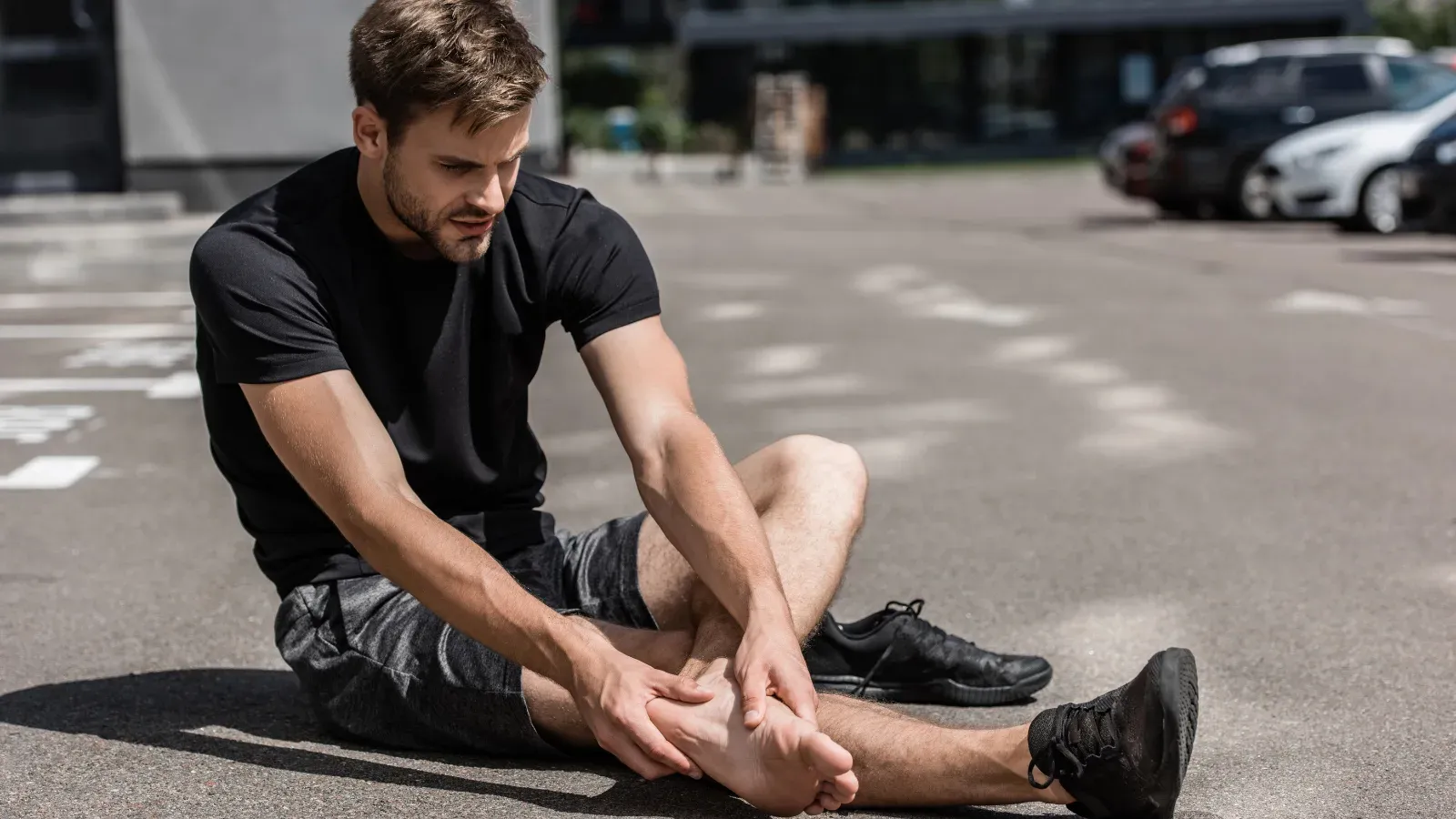
A heel spur is a small, bony growth that develops on the underside of the heel bone, usually as a result of long-standing strain on the plantar fascia, the thick band of tissue that runs along the sole of the foot from the heel to the toes. Heel spurs form gradually, over months or years of repeated tension pulling at the point where the plantar fascia attaches to the heel bone, and they’re frequently found alongside plantar fasciitis, since both conditions share the same underlying cause.
It’s a common misconception that the spur itself is the source of pain. In reality, many people have a heel spur visible on x-ray with no pain at all, while others with significant heel pain have no spur. The soft tissue irritation around the plantar fascia, not the bony growth, is usually what’s actually driving the symptoms, which is an important distinction because it changes what treatment should focus on.
What causes a heel spur
Heel spurs develop from the same factors that drive plantar fasciitis: repetitive overuse, tight calf muscles that increase tension through the plantar fascia, inappropriate or unsupportive footwear, a sudden increase in walking or running load, and biomechanical factors such as flat feet or an unusually high arch that alter how load travels through the foot. Over time, the repeated pulling of the plantar fascia at its attachment point on the heel bone stimulates new bone growth. The spur itself is essentially the body’s response to chronic traction, rather than a random or separate problem.
Because the spur and the plantar fascia irritation develop from the same repetitive strain, they very often occur together, and it can be difficult even with imaging to say for certain which is contributing more to your particular pain.
Symptoms
Symptoms typically mirror plantar fasciitis closely, sharp or aching pain under the heel, often at its worst with the very first steps in the morning or after sitting for a while, easing somewhat as you move but tending to return after prolonged standing, walking, or running. Some people notice a specific tender point that can be pressed directly on the underside of the heel.
When to see a physiotherapist
Most heel spur pain is well suited to physiotherapy assessment and responds to conservative treatment addressing the plantar fascia and surrounding soft tissue. It’s worth being seen sooner rather than persisting through months of morning heel pain, since longstanding, chronic cases generally take longer to resolve than those addressed early. See Andrew promptly, rather than continuing to self-manage, if heel pain is accompanied by significant swelling, redness, or warmth that could suggest an infection, or if pain developed suddenly following an injury rather than gradually over time, these warrant a more thorough assessment before starting a standard treatment programme.
Physiotherapy treatment for heel spur pain
Because heel spurs and plantar fasciitis share the same underlying driver, treatment focuses on the plantar fascia and surrounding soft tissue rather than the bony spur itself:
- Manual therapy and hands-on soft tissue release through the calf and plantar fascia to reduce tension pulling at the heel
- Shockwave therapy, which is often particularly effective for heel pain that’s become chronic and hasn’t responded fully to hands-on treatment alone
- Exercise rehabilitation, a structured calf and foot stretching and strengthening programme addressing the tightness and loading pattern that led to the strain in the first place
- Taping or footwear advice to offload the heel while the tissue settles, particularly useful in the early, more painful stage
What to expect from treatment
The spur itself very rarely needs to be addressed directly, resolving the underlying soft tissue strain typically resolves the pain even though the bony growth remains visible on any future imaging. Similar to plantar fasciitis, many cases improve significantly within six to twelve weeks of appropriate treatment, though longstanding cases that have been present for many months can take longer to settle. Andrew will explain what your assessment found and set expectations around timeframe based on how long you’ve had symptoms and how they’re responding to early treatment.
Preventing recurrence
Because the underlying strain pattern that created the spur can just as easily create ongoing plantar fascia irritation, an appropriate calf stretching routine, supportive footwear, and sensible progression of walking or running load all help protect against symptoms returning once the initial pain has settled.
How the physiotherapist treats it
Treatments used for heel spur
 Manual TherapyManual therapy uses hands-on techniques, soft tissue work, joint mobilisation and trigger point therapy, to ease pain and speed recovery.
 Shockwave TherapyShockwave therapy uses focused acoustic pulses to stimulate healing in chronic tendon conditions like Achilles tendinopathy and tennis elbow.
 Exercise RehabilitationA structured, progressive exercise programme tailored to your condition and recovery stage, to rebuild strength and prevent injuries recurring.
Frequently asked questions
Does a heel spur need to be surgically removed?
Very rarely. Most heel spur pain responds well to conservative physiotherapy addressing the underlying plantar fascia strain, without needing to remove the spur itself. Surgery is only considered when conservative treatment hasn't helped after a genuine trial.
Is a heel spur the same as plantar fasciitis?
They're closely related but not identical. A heel spur is a bony growth, while plantar fasciitis is inflammation of the plantar fascia. They often occur together, and treatment for both focuses on the same soft tissue causes.
What causes a heel spur?
Heel spurs develop from long-term strain on the plantar fascia, often linked to the same factors that cause plantar fasciitis, overuse, tight calf muscles, inappropriate footwear, or a sudden increase in activity.
How long does heel spur pain take to go away?
Similar to plantar fasciitis, many cases improve significantly within 6 to 12 weeks of appropriate treatment, though longstanding cases can take longer.
Ready to book your appointment?
Got a question first? Ask Andrew, it's free →