
Conditions treated here
TMJ Dysfunction Physiotherapy
Reviewed by Andrew Macdonald, Senior Physiotherapist , AHPRA registered (PHY0002098797), APA member
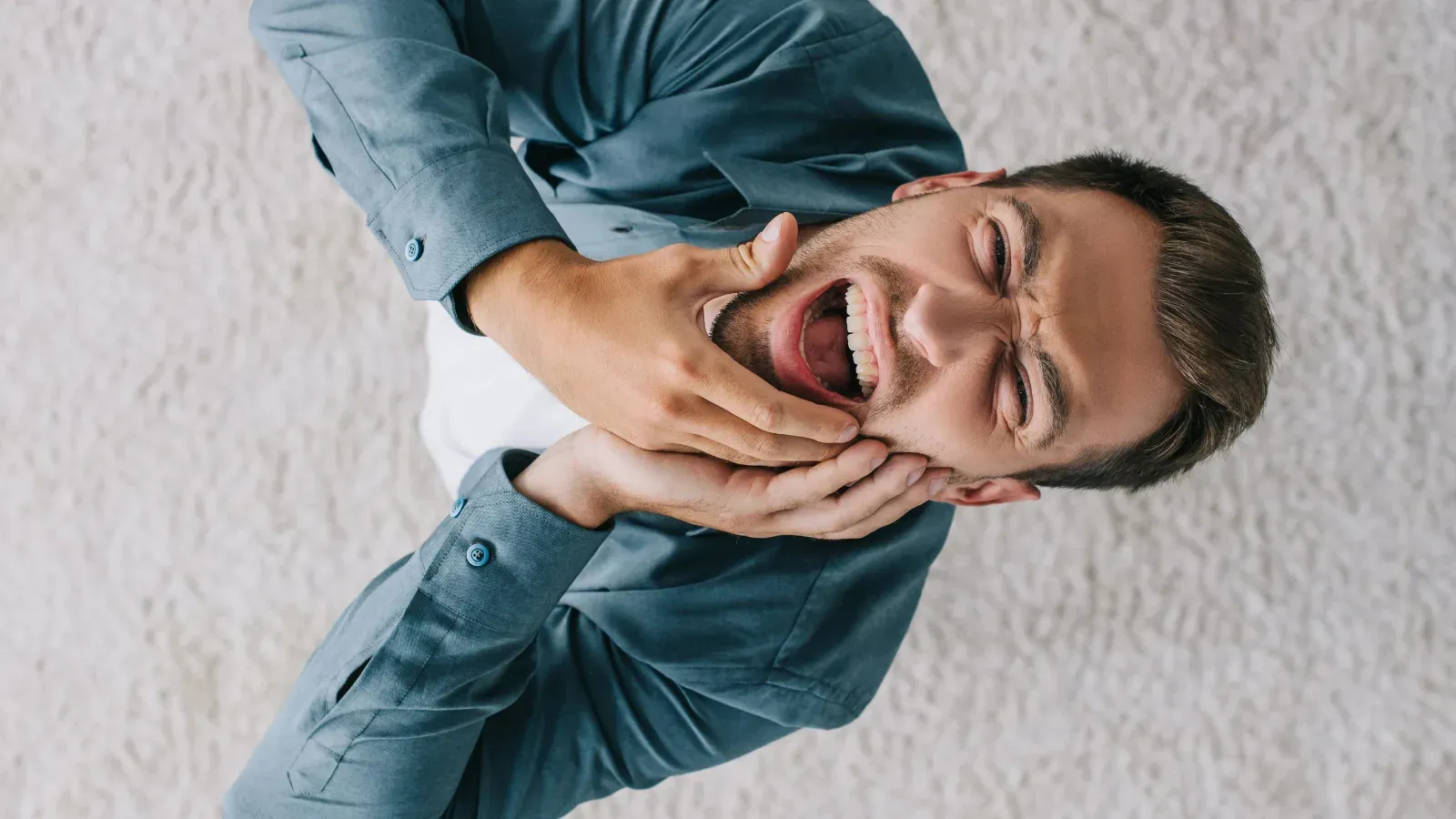
The temporomandibular joint (TMJ), the jaw joint located on either side of the head, just in front of each ear, is one of the most frequently used joints in the body, moving every time you talk, chew, yawn or swallow. It’s also one of the more complex joints anatomically, working as a coordinated pair on both sides of the jaw and relying on a disc, ligaments and a group of surrounding muscles to function smoothly.
Because of the TMJ’s close anatomical and functional relationship with the neck and skull, problems in this joint frequently cause symptoms that extend well beyond the jaw itself, which is why TMJ dysfunction is sometimes missed or misattributed to an unrelated cause before it’s properly assessed.
You’ll see this condition called several different things: TMJ dysfunction, TMJ disorder, TMD, or just “TMJ problems”. They all describe the same group of jaw joint and jaw muscle symptoms, and the treatment approach is the same regardless of which term your dentist, GP or physiotherapist happens to use.
What causes TMJ dysfunction
TMJ dysfunction typically develops from a combination of factors rather than a single cause. Teeth grinding or clenching, particularly during sleep (a habit known as bruxism), places sustained, often unconscious strain on the jaw joint and surrounding muscles. Jaw injury, whether from a direct blow or a wide, forceful yawn, can also trigger symptoms. Habits like excessive gum chewing or regularly chewing hard or chewy foods add repetitive load to the joint over time, and stress-related muscle tension, often centred in the jaw, temples and neck, is a common contributing or aggravating factor for many people.
The neck plays a bigger role in TMJ dysfunction than many people expect. Because the muscles and nerves supplying the jaw and upper neck are closely linked, poor posture, neck tension or existing neck pain can contribute to or worsen jaw symptoms, and vice versa, which is why an assessment of TMJ dysfunction usually includes a look at the neck as well as the jaw itself.
Symptoms
TMJ dysfunction commonly causes jaw pain, clicking or popping when opening the mouth, and a limited or uneven jaw opening. Beyond the jaw itself, it can also cause less obviously connected symptoms, including headaches, ear pain or a feeling of fullness in the ears without any signs of infection, facial pain, and neck pain or stiffness, all stemming from the close anatomical relationship between these structures. Some people also notice their jaw locking briefly, either open or closed, during a flare-up.
Arthritis in the jaw joint
The TMJ is a synovial joint, so it can develop arthritis in the same way a knee or a hip can. Osteoarthritis in the jaw tends to show up as a deep, aching pain that is worse after a long conversation or a chewy meal, sometimes with a gritty or grinding sensation rather than the sharp click of a disc problem. Rheumatoid arthritis can also involve the TMJ, usually alongside other joints rather than on its own.
Physiotherapy does not reverse arthritic change in the joint, and it would be dishonest to suggest otherwise. What it does do is address the parts of the problem that are treatable: the muscle tension that builds up around a painful joint, the loss of jaw and neck movement that follows, and the loading habits that aggravate it. For many people that is the difference between a jaw that aches through every meal and one that only bothers them occasionally. If arthritis affects your jaw alongside other joints, our page on osteoarthritis and rheumatoid arthritis covers the broader picture, and management is usually shared with your GP or rheumatologist.
When to see a physiotherapist
Most TMJ dysfunction responds well to physiotherapy assessment and treatment. It’s worth seeing Andrew if jaw pain or clicking is persistent, if your jaw opening feels increasingly restricted or uneven, or if you’re experiencing headaches, ear symptoms or neck pain that might be connected to jaw dysfunction rather than a separate cause. Jaw locking that doesn’t resolve on its own, significant trauma to the jaw, or symptoms alongside dental pain are worth having assessed by your dentist alongside physiotherapy, since dental and jaw alignment issues can also contribute to TMJ symptoms and may need combined care.
Physiotherapy treatment for TMJ dysfunction
Treatment for TMJ dysfunction at our Melbourne clinic typically combines:
- Manual therapy, including hands-on techniques to restore movement in the jaw joint itself and address the closely related neck stiffness that often accompanies it
- Dry needling for the tight, overactive jaw and temple muscles (particularly the masseter and temporalis) that build up tension from clenching, grinding or general stress
- Soft tissue release through the jaw, face and neck to ease muscle tension contributing to pain and restricted movement
- Stretches and a home exercise programme targeting jaw mobility and posture, along with practical lifestyle guidance, eating softer foods, avoiding wide yawning and excessive gum chewing, and stress management strategies, to reduce flare-ups between sessions
Because teeth grinding, clenching and dental alignment can all contribute to TMJ dysfunction, Andrew works closely with dentists and orthodontists where combined care is helpful, particularly if a night guard or dental appliance is part of your broader management plan.
What to expect from treatment
Many people notice a reduction in jaw pain and improved jaw opening within the first few sessions, particularly once muscle tension has been addressed through manual therapy and dry needling. Because habits like grinding, clenching and posture are often central to why TMJ dysfunction developed in the first place, the home exercise and lifestyle component of treatment plays a significant role in how well symptoms settle and how likely they are to recur.
Managing flare-ups and preventing recurrence
Simple home strategies, softer foods, ice packs, avoiding gum and wide yawning, and managing stress, can help settle a flare-up, but they manage symptoms rather than resolve the underlying joint restriction and muscle tension driving them. Addressing those underlying factors with proper treatment, and staying consistent with your home exercises and posture habits once symptoms have settled, is what reduces how often TMJ dysfunction returns.
How the physiotherapist treats it
Treatments used for tmj dysfunction physiotherapy
 Manual TherapyManual therapy uses hands-on techniques, soft tissue work, joint mobilisation and trigger point therapy, to ease pain and speed recovery.
 Dry NeedlingDry needling uses thin, sterile needles to release tight, overactive trigger points in muscle, a Western technique distinct from acupuncture.
 Exercise RehabilitationA structured, progressive exercise programme tailored to your condition and recovery stage, to rebuild strength and prevent injuries recurring.
Frequently asked questions
What causes TMJ pain?
Common causes include teeth grinding or clenching (often during sleep), jaw injury, excessive gum chewing, chewing hard foods, and stress-related muscle tension. The jaw joint has a close relationship with the neck, so problems in one area often affect the other.
Can TMJ dysfunction cause headaches or ear pain?
Yes, because of the close relationship between the jaw, neck and skull, TMJ dysfunction can refer pain into the head, ears and face, sometimes causing headaches, ear pain without infection, or a feeling of fullness in the ears. Treating the jaw and neck together often resolves these associated symptoms.
How do you relieve TMJ pain at home?
Eating softer foods, avoiding chewing gum and wide yawning, using ice packs, and managing stress can all help ease symptoms in the short term. These help manage flare-ups, but addressing the underlying joint restriction and muscle tension with proper treatment is what resolves the problem long-term.
Can a physiotherapist treat TMJ dysfunction?
Yes, Andrew treats TMJ dysfunction with manual therapy, dry needling and soft tissue release, alongside stretches and lifestyle changes, and works closely with dentists and orthodontists where combined care is needed.
Can physiotherapy help arthritis in the jaw joint?
Physiotherapy cannot reverse arthritic change in the TMJ, but it can treat what sits around it, the muscle tension that builds up in response to a painful joint, the restricted jaw and neck movement that follows, and the chewing and clenching habits that aggravate it. Where arthritis affects the jaw alongside other joints, treatment is usually shared with your GP or rheumatologist.
Is clicking in my jaw something to worry about?
Jaw clicking on its own, without pain or restricted movement, is common and often not a cause for concern. It's worth having assessed if it's accompanied by pain, locking, or a noticeable change in how your jaw opens, since these features suggest the joint or surrounding muscles need proper treatment.
Ready to book your appointment?
Got a question first? Ask Andrew, it's free →