
Conditions treated here
Shin Splints
Reviewed by Andrew Macdonald, Senior Physiotherapist , AHPRA registered (PHY0002098797), APA member
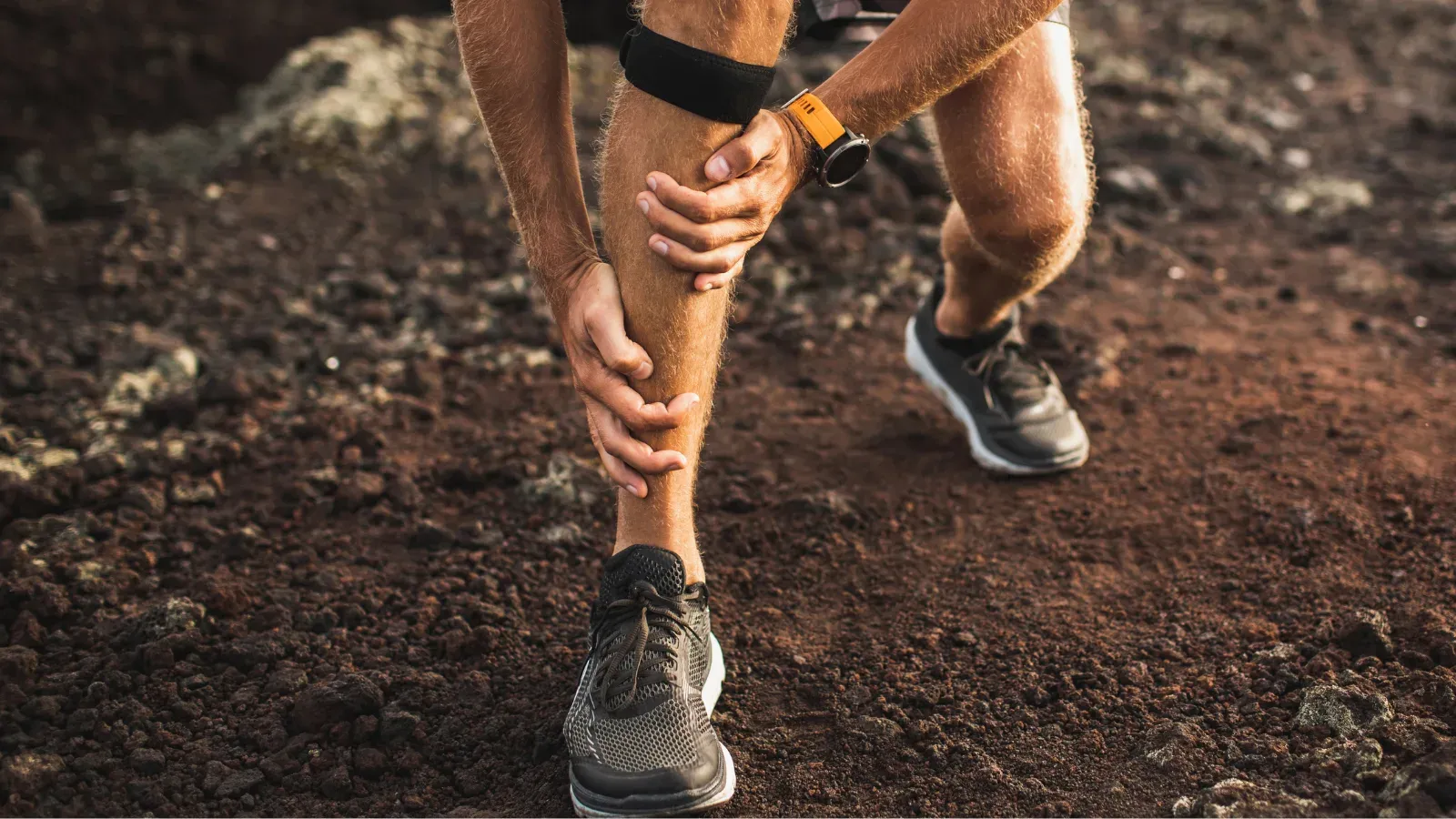
Shin splints, medically known as medial tibial stress syndrome, describes pain and inflammation affecting the muscles, tendons and tissue that attach along the inner edge of the shin bone (tibia). It’s one of the most common lower leg complaints among runners, and is also frequently seen in dancers, military recruits and anyone who has recently and rapidly increased how much, how hard, or on what surface they’re training.
Shin splints sits on a spectrum of lower leg bone stress injuries, mild cases involve irritation of the soft tissue attaching to the bone, while more advanced or prolonged cases can progress toward a genuine bone stress reaction or, less commonly, a stress fracture. Understanding where your symptoms sit on that spectrum matters, because it changes how aggressively training needs to be adjusted.
What causes shin splints
Shin splints typically develop when the load placed on the shin outpaces the tissue’s ability to adapt to it. This is most commonly triggered by a sudden increase in running volume or intensity, the introduction of hill running or speed work, or a change in training surface, moving from a soft track to concrete footpaths, for example. Worn-out footwear, tightness through the calf muscles, and reduced strength or endurance in the muscles supporting the lower leg can all contribute by changing how forces are absorbed with each step.
Because bone and soft tissue take time to adapt to new demands, the underlying issue is almost always a training load that’s increased faster than the body has been able to strengthen in response, which is why simply resting until pain settles, without addressing the training factors, tends to see the problem return once training resumes.
Symptoms
Shin splints typically cause a dull, aching pain along the inner edge of the shin bone, often affecting a broader area rather than one precise spot. It’s commonly worse at the start of activity, sometimes easing as you warm up, then returning once you stop or the following day. In more advanced cases, pain can be present even at rest, and the shin may feel tender to touch along the affected area.
When to see a physiotherapist
Shin splints generally respond well to load management and a graded return-to-running programme without needing imaging. However, persistent shin pain that isn’t improving with rest, pain that’s become sharp and well-localised to one specific point, or pain that’s present at rest and worsens with any loading, is worth assessing properly. These features can indicate a developing bone stress injury or stress fracture, which needs a different management approach than straightforward shin splints. Andrew’s assessment can distinguish between the two and guide you toward imaging if it’s warranted.
Physiotherapy treatment for shin splints
Once your assessment has confirmed the diagnosis and ruled out a more significant bone stress injury, treatment typically combines:
- Manual therapy and soft tissue release through the calf and shin muscles, to reduce tension and pain, along with taping or strapping for support during the early, more painful stage
- Exercise rehabilitation, a graded strengthening programme for the calf and lower leg muscles that support the shin, alongside a structured return-to-running programme that reintroduces load at a rate the tissue can adapt to
- Training load review, looking at your recent volume, intensity, surface and footwear to identify what triggered the current episode and adjusting these factors going forward
Andrew will also assess your running technique where relevant, since factors like stride pattern and cadence can influence how much load reaches the shin with each step.
In the early, more painful stage, a short period of reduced or modified activity, swapping some running sessions for lower-impact cross-training such as cycling or swimming, can help settle symptoms while maintaining fitness, before gradually reintroducing running volume as the shin’s tolerance improves. This graded approach tends to work better than stopping activity altogether, since it keeps the tissue adapting rather than deconditioning.
What to expect from treatment
Most cases of shin splints improve within a few weeks of appropriate treatment and load management, though this depends on how long symptoms have been present before starting treatment and how closely the graded return-to-running programme is followed. Rather than stopping activity altogether, Andrew typically guides a modified training load that keeps you moving while giving the tissue the chance to adapt and strengthen.
Preventing recurrence
Because shin splints are so closely tied to training load, the same factors that caused the original episode, a sudden jump in volume, intensity, surface or footwear, are what tend to bring it back if training resumes too quickly once symptoms settle. Building future increases in training gradually, maintaining calf and lower leg strength, and replacing worn footwear are the main habits that reduce the chance of shin splints recurring.
How the physiotherapist treats it
Treatments used for shin splints
 Manual TherapyManual therapy uses hands-on techniques, soft tissue work, joint mobilisation and trigger point therapy, to ease pain and speed recovery.
 Exercise RehabilitationA structured, progressive exercise programme tailored to your condition and recovery stage, to rebuild strength and prevent injuries recurring.
Frequently asked questions
What's the difference between shin splints and a stress fracture?
Shin splints cause a dull, diffuse ache along the shin that typically eases as you warm up and returns afterward. A stress fracture causes more localised, sharper pain that's often present even at rest and worsens with continued loading, this distinction matters because the management is different, so persistent shin pain is worth assessing properly.
Can you run through shin splints?
It's not recommended to push through worsening pain, since continuing to overload the tissue can delay recovery or, in some cases, progress toward a bone stress injury. Andrew reviews your training and builds a graded return-to-running programme rather than stopping activity altogether.
How long do shin splints take to heal?
Most cases improve within a few weeks of appropriate treatment and load management, though this depends on how long the symptoms have been present and how quickly training is adjusted. Persistent pain that isn't improving with rest is worth assessing to rule out a bone stress injury.
What causes shin splints in runners?
Shin splints are usually driven by a sudden increase in training volume, intensity, or a change in running surface that the body hasn't adapted to yet. Andrew's treatment addresses both the current symptoms and the training factors, load, footwear, surface and technique, behind why they developed.
Do orthotics or footwear help with shin splints?
They can be part of the picture for some people, particularly where foot position is contributing to the load pattern, but they rarely resolve shin splints on their own. Andrew's assessment looks at your training load, running mechanics and lower leg strength first, and can advise on footwear or orthotics if they're relevant to your specific presentation.
Ready to book your appointment?
Got a question first? Ask Andrew, it's free →