
Conditions treated here
ACL Damage
Reviewed by Andrew Macdonald, Senior Physiotherapist , AHPRA registered (PHY0002098797), APA member
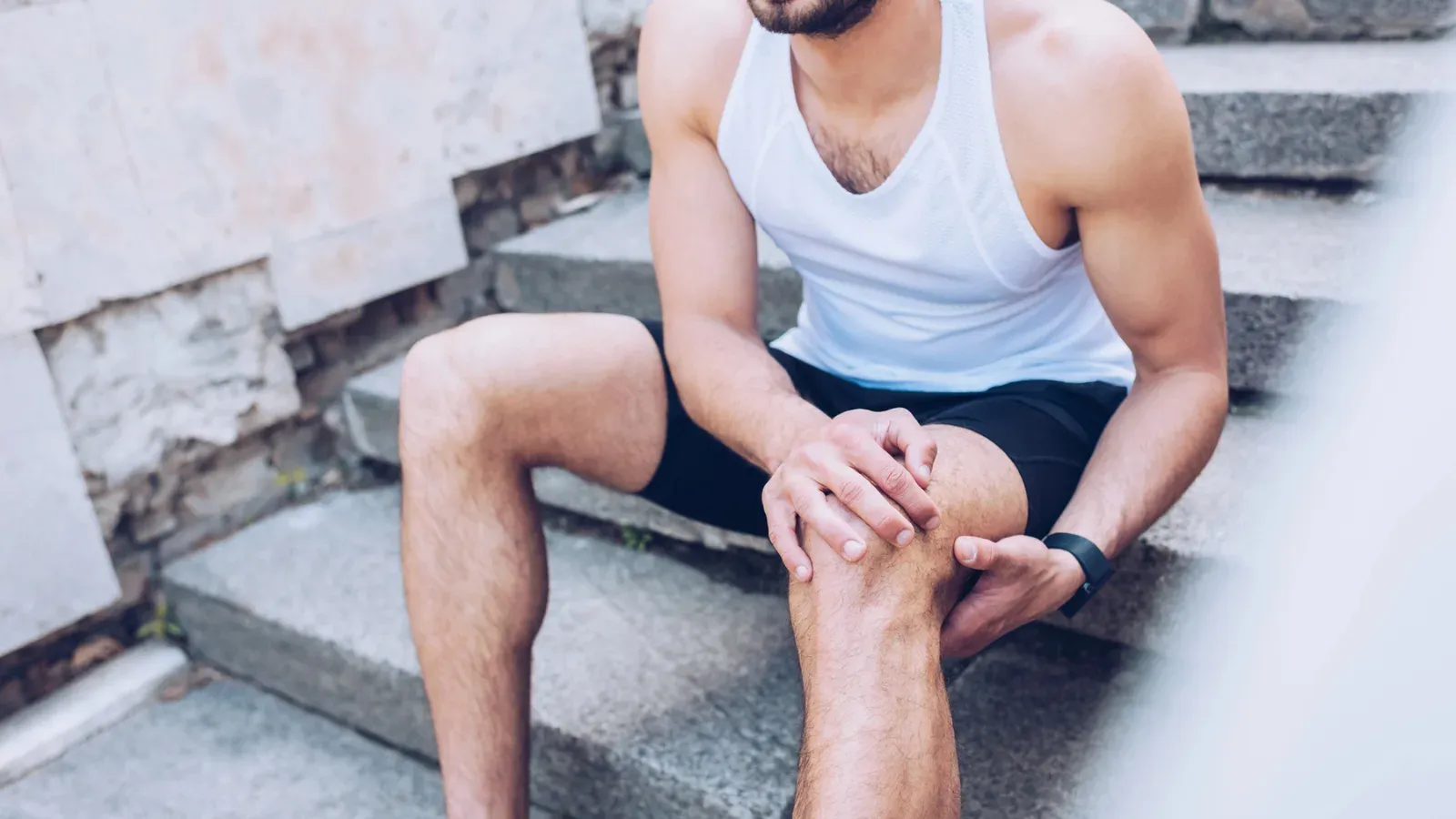
The anterior cruciate ligament (ACL) is one of the primary stabilising ligaments inside the knee, running diagonally through the middle of the joint to control forward movement of the shin bone and rotational stability. It’s one of the most commonly injured ligaments in sport, particularly in activities involving sudden deceleration, pivoting, or landing awkwardly from a jump, football (soccer and AFL), netball, basketball and skiing are common settings for this injury.
ACL injuries range widely in severity, from a partial sprain where the ligament is stretched but still largely intact, through to a complete tear where the ligament no longer provides meaningful stability to the joint. The severity, together with your activity level, goals, and the knee’s response to rehabilitation, determines the best path forward, and physiotherapy has an important role at every stage, whichever path that turns out to be.
What causes ACL injuries
Most ACL injuries happen through a non-contact mechanism, the knee twisting or buckling inward while the foot is planted, often during rapid deceleration, a sudden change of direction, or landing from a jump with the knee slightly bent and rotated. Direct contact, such as a tackle striking the outside of the knee, can also cause it, though this is less common than the non-contact pattern. Poor landing mechanics, quadriceps-dominant movement patterns, and fatigue late in a game are all recognised contributing factors, which is part of why ACL injury-prevention programmes focused on landing and movement control have become widespread in pivoting sports.
When to see a physiotherapist
A sudden ACL injury typically presents with a distinct “pop” sensation at the time of injury, rapid swelling within the first few hours, and a feeling that the knee is unstable or gives way under load, these features warrant a prompt assessment rather than a “wait and see” approach, both to guide early management and because imaging is usually needed to confirm the extent of the damage. If you’re unable to bear any weight on the leg, the knee appears visibly deformed, or you’ve lost sensation below the knee, seek urgent medical attention. For less dramatic knee injuries where instability isn’t obvious, a physiotherapy assessment can still help determine whether the ACL, another structure such as the meniscus, or several structures together have been affected.
Physiotherapy treatment for ACL injuries
Not every ACL tear needs surgery, the right path depends on the severity of the injury, your activity level and goals, and how the knee responds to a period of rehabilitation. Andrew’s assessment helps work through this decision with you, and either way, exercise rehabilitation is the central component of treatment:
- Pre-surgical (“prehab”) rehabilitation for those heading toward surgery, focused on reducing swelling, restoring full range of motion, and maintaining as much quadriceps and hamstring strength as possible beforehand, since a well-prepared knee going into surgery tends to recover faster afterward.
- Post-surgical, staged rehabilitation, beginning with swelling management and gentle range-of-motion work in the early weeks, progressing through targeted strengthening of the muscles supporting the knee, then into balance, control and landing mechanics, and finally sport-specific training before a safe return to pivoting or contact sport.
- Non-surgical strengthening rehabilitation, for patients managing the injury conservatively, a structured programme building strength and neuromuscular control around the knee, aimed at giving the joint enough dynamic stability to compensate for the ACL’s reduced function.
Throughout, exercises are progressed according to objective measures of strength, control and confidence, not simply a fixed number of weeks, since returning to sport before the knee is genuinely ready is one of the biggest risk factors for a further injury, including to the other knee.
What to expect from treatment
Andrew will explain, based on your assessment and any imaging, what’s realistic for your specific injury and goals, and build the rehabilitation programme around that rather than a one-size-fits-all protocol. Early sessions tend to focus on calming swelling and regaining movement; as the knee settles, sessions shift toward progressively loading the muscles around the joint, and later toward the balance, landing and agility work needed before a safe return to sport.
Recovery timeline
Recovery timelines vary considerably depending on whether surgery is involved and the demands of your sport. Following ACL reconstruction, full recovery, including a safe return to pivoting sport, typically takes around 9 to 12 months, following the staged programme described above. Rushing this timeline significantly increases the risk of re-injury, both to the reconstructed ligament and to the other knee, which is part of why the later stages of rehabilitation focus so heavily on objective strength and control benchmarks rather than how many months have passed. For those managing an ACL injury conservatively, timelines are more individual, and Andrew will guide progression based on how the knee is actually performing rather than the calendar.
How the physiotherapist treats it
Treatments used for acl damage

Frequently asked questions
Can you walk with a torn ACL?
Often yes, though the knee may feel unstable or give way, especially on uneven ground or when changing direction. Walking ability alone doesn't tell you the severity of the injury, a proper assessment, and usually imaging, is needed to determine the extent of the damage.
Do all ACL tears need surgery?
No, the right path depends on the severity of the tear, your activity level and goals, and how the knee responds to rehabilitation. Andrew's assessment helps determine whether conservative management or a surgical referral is the better option for your specific situation.
How long is recovery after ACL surgery?
Full recovery, including a safe return to pivoting sports, typically takes around 9 to 12 months, following a staged rehabilitation programme from early range-of-motion work through to progressive strengthening and sport-specific training. Rushing this timeline significantly increases the risk of re-injury.
Can physiotherapy fix an ACL tear without surgery?
For some patients, particularly those with lower activity demands or partial tears, a structured physiotherapy programme focused on strength and control can be a viable alternative to surgery. This isn't right for everyone, so it's a decision Andrew works through with you based on your knee's stability and your goals.
Ready to book your appointment?
Got a question first? Ask Andrew, it's free →