
Our services
Electrotherapy (TENS & Ultrasound)
Reviewed by Andrew Macdonald, Senior Physiotherapist , AHPRA registered (PHY0002098797), APA member
What is Electrotherapy?
Electrotherapy is an umbrella term for two distinct, well-established techniques Andrew uses to support hands-on treatment: TENS (transcutaneous electrical nerve stimulation), which uses a mild electrical current to help manage pain, and therapeutic ultrasound, which uses high-frequency sound waves to generate gentle heat deep within tissue. Despite sharing a category, they work through different mechanisms and are used for different purposes, both as an adjunct to manual therapy and exercise rather than a standalone treatment.
How It Works
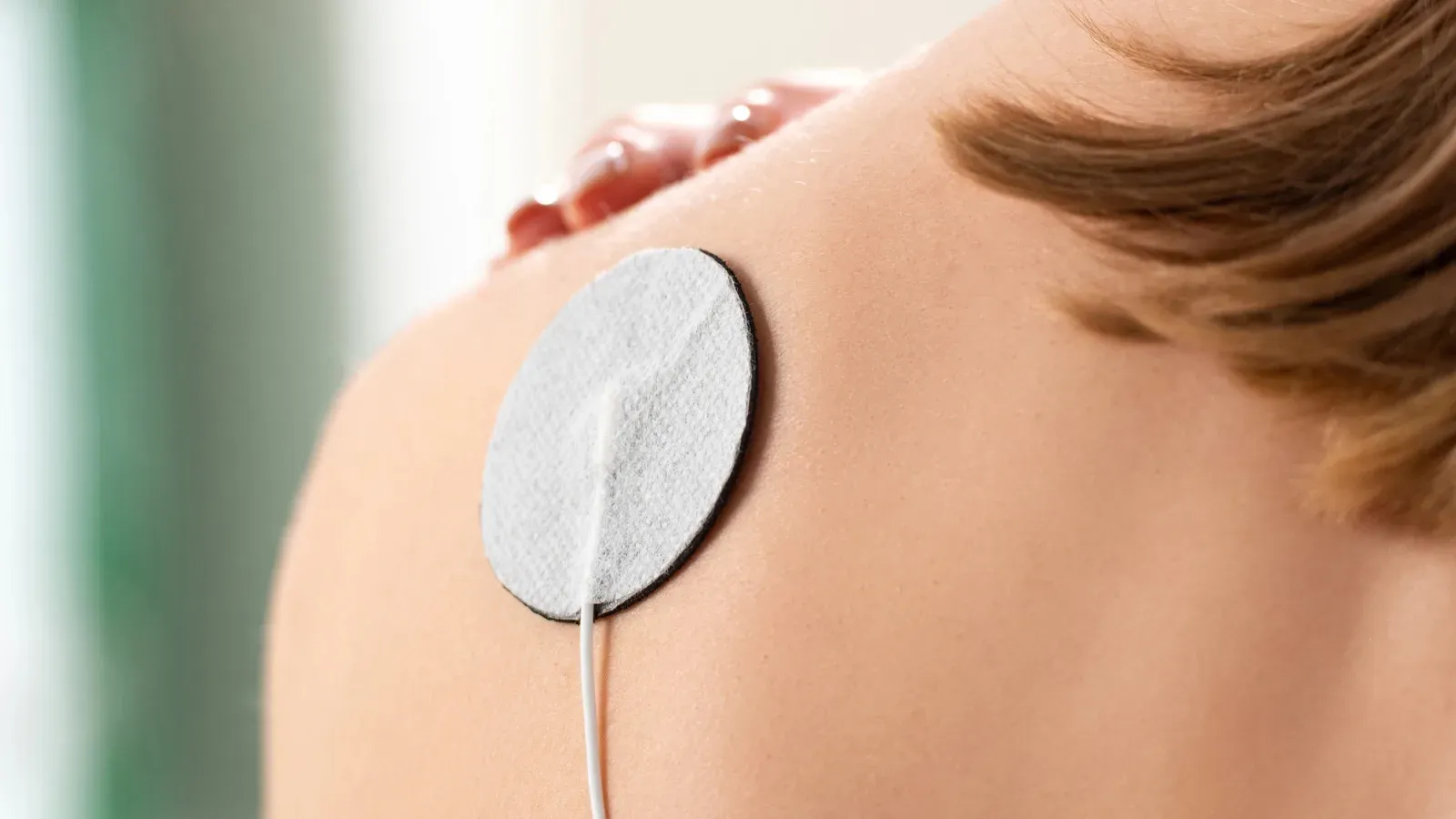
TENS delivers a low-voltage electrical current through electrode pads placed on the skin over or near the painful area. This is thought to work through the “gate control” theory of pain: stimulating the large sensory nerve fibres responsible for touch and vibration effectively competes with, and partially blocks, the transmission of pain signals travelling along smaller nerve fibres to the spinal cord and brain. At higher settings, TENS may also encourage the body’s release of natural pain-relieving chemicals. The result is a reduction in the perception of pain while the current is applied, and often for some time afterward.
Therapeutic ultrasound works differently. A handheld probe emits high-frequency sound waves that pass through the skin and are absorbed by deeper tissue, generating a gentle, localised heating effect. This mild heat can increase local blood flow and tissue extensibility, which is thought to support the body’s natural inflammatory and healing processes in soft tissue that has become irritated or is slow to resolve.
What It Helps With
TENS is most useful for managing pain during flare-ups or particularly painful stages of a condition, for example, the acute, highly irritable early stage of frozen shoulder, where pain can otherwise limit how much hands-on treatment or movement someone can tolerate. Ultrasound is more commonly used for inflammatory soft tissue conditions such as bursitis, where the gentle heating effect can support the resolution of local inflammation alongside other treatment.
In both cases, electrotherapy is used to create a window in which other, more directly corrective treatment, manual therapy, joint mobilisation, or exercise, can be tolerated and be more effective, rather than being a treatment for the underlying cause on its own.
Electrotherapy vs Hands-On Treatment
It’s a common assumption that a machine can substitute for hands-on treatment, but electrotherapy and manual therapy serve different purposes. TENS and ultrasound can reduce pain and support tissue healing, but they don’t restore joint mobility, correct movement patterns, or rebuild strength, that requires the hands-on assessment, mobilisation and exercise prescription that Andrew builds a treatment plan around. Electrotherapy is best understood as a supporting technique that makes the rest of your treatment plan more comfortable and effective to progress through, not a replacement for it.
What to Expect During a Session
For TENS, small electrode pads are placed on the skin around the painful area and connected to a small unit that delivers a gentle electrical pulse. You control the intensity, and most people describe it as a comfortable tingling sensation rather than anything painful. It’s generally used for 15 to 30 minutes at a time. For ultrasound, a small handheld probe is moved slowly and continuously over the area with a conducting gel; most people feel very little, perhaps mild warmth, and treatment is usually only a few minutes per area.
Aftercare
Neither technique typically requires specific aftercare. Some people notice mild, temporary skin sensitivity where TENS electrodes were placed, which settles quickly. Because both techniques are generally used alongside manual therapy or exercise in the same session, Andrew will let you know if there’s anything specific to do afterward based on the rest of your treatment that day.
Is Electrotherapy Right for You?
Both TENS and ultrasound are low-risk, well-established techniques, but they aren’t suitable for everyone, and Andrew will screen for this before use. Electrotherapy is generally avoided over or near a cardiac pacemaker or other implanted electronic device, directly over the abdomen or pelvis during pregnancy, over areas of broken or infected skin, over known or suspected cancerous tissue, and over areas with significantly impaired skin sensation, where you may not reliably feel if the intensity or heat becomes too high. If any of this applies to you, let Andrew know at your assessment, treatment can usually still proceed effectively using other techniques.
Who it helps
Conditions treated with electrotherapy (tens & ultrasound)
 Frozen ShoulderFrozen shoulder causes progressive stiffness and pain that can take months to resolve. Physiotherapy eases pain and speeds recovery at every stage.
 BursitisBursitis causes localised pain and swelling around a joint, often the hip or shoulder. Physiotherapy treats the inflammation and its underlying cause.
Frequently asked questions
What is TENS therapy used for?
TENS delivers a mild electrical current through the skin to help manage pain, and is often used during acute flare-ups or particularly painful stages of a condition, such as early-stage frozen shoulder, alongside other treatment.
What does ultrasound therapy do?
Therapeutic ultrasound uses sound waves to generate gentle heat deep within tissue, which can help reduce inflammation and support the body's natural healing response. It's often used for conditions like bursitis.
Is electrotherapy safe?
Yes, TENS and ultrasound are well-established, low-risk techniques when used appropriately. There are some situations where they aren't suitable, such as over certain implants or during pregnancy for some techniques, so Andrew will check this is appropriate for you first.
Can electrotherapy replace hands-on treatment?
No, electrotherapy is used to support manual therapy and exercise rehabilitation, not replace it. It's most effective as one part of a broader treatment plan targeting the underlying cause of your condition.
How quickly does TENS provide pain relief?
Many people notice a reduction in pain within minutes of TENS being applied, though this is usually temporary and most useful for getting through a particularly painful stage of a condition or tolerating other treatment, rather than resolving the underlying problem on its own.
Ready to book your appointment?
Got a question first? Ask Andrew, it's free →